

A Letter to Students
from Elie Wiesel
Whatever the answer to essential questions of society and individual human beings may be, education is surely its major component. But what would education be without its ethical dimension? Many of us believe them to be inseparable. That is why this Prize in Ethics Essay Contest was established in 1989 by our Foundation. Thousands of students from hundreds of colleges and universities across the nation have participated. Through their writing, they explored their concerns and beliefs, their fears and their hopes.
While we suggest relevant topics each year, applicants are encouraged to choose any subject they feel strongly about, provided it is related to the domain of ethics.
The quality of the essays we have received over the years has been remarkable. It is with great difficulty that winners are chosen by a special committee of teachers and scholars.
We appeal to college students to send us their essays. We promise you they will not be ignored. In fact, we shall be proud to be your first readers. And perhaps your first critics and publishers.
We wish you good luck.

2027 Writing Prompt
Essay Theme: Complicity and Courage
Most of us are never asked to be heroes. But, at some point, nearly all of us face a smaller
and harder question: Do I go along with this, or do I refuse?
Does our responsibility change depending on the scope of the question? Explain the moral
standard behind your decision, then confront the strongest objection to it.
Each essay will be judged on the quality of the writing along with its integration of ethical
concerns and questions of personal and social responsibility.
Engage us. Enlighten us. Explore any ethical question that moves you, whether it arises
from the tension between complicity and courage or from another moral or ethical
challenge, close to home or across the world. We are eager to learn from you.
Submissions for 2026 are open.
FAQ
- Length: 2,500-3,500 words. Must be the original, unpublished work of one student.
Papers previously submitted for class are acceptable. Only one essay per student per year. - Must be written in English, titled, double-spaced, 12-point readable font (e.g., Times New Roman), with l” margins and numbered pages. Submissions are judged anonymously- do not include your name, school, or identifying references on the essay or title page.
- “Complicity and Courage” is a suggested point of departure, not a required subject. You may write about any ethical question that moves you. Consider a moment, in your own life or in the wider world, when you had to determine where your or another person’s responsibility began and ended. Points of departure for such writing could include the following examples:
- a current conflict in American life, including threats to democracy or public policy issues so long as they have an ethical focus
- an international crisis
- an ethically challenging choice that you are facing or that someone close to you is facing
- an assignment, college course, or other personal experience that unsettled how you think and impacted how you approach an important ethical issue or concern
- The strongest essays will do more than recount an experience or describe how it felt. They will identify an ethical question and examine it with care, honesty, and depth. You are encouraged to think about what makes a dilemma an ethical dilemma as part of your essay. Your essay may take the form of a personal narrative, a sustained argument, a reflection on a contemporary issue, or a combination of these approaches. Whatever form you choose, make clear what is ethically at stake, explain how you understand the question, and consider a serious challenge to your own reasoning.
We are interested not only in the conclusion you reach, but also in the quality of thought that leads you there.
Open to registered full-time undergraduate students at accredited four-year colleges or universities in the United States. Proof of enrollment will be required.
Students studying abroad are eligible if enrolled fulltime in a U.S.-accredited institution.
Students are NOT eligible to enter if…
- They are not yet attending college (includes not attending during the Spring 2027 semester) or are in high school.
- They attend two-year programs or schools.
- They are enrolled in an associate degree or community college program.
- They are part-time students.
- They finished their undergraduate studies before the Spring 2027 semester.
- They are in a doctorate, masters, or any graduate program.
- They are attending an unaccredited school as acknowledged by the National Student Clearinghouse.
- They are full-time students at a school outside of the U.S & not study abroad programs.
If you are not eligible this year, you may be eligible in the following years. New application forms and guidelines are posted every fall.
The Foundation receives many inquiries regarding what students may write about in their essays. The topics provided by the Foundation each year are merely suggested topics – students may feel free to write about any topic as long as it pertains to ethics.
A faculty sponsor is optional for entry. Any interested professor at the student’s school may act as a Faculty Sponsor. The role of the Faculty Sponsor is to review the essay and provide feedback.
Applicants must provide a complete and accurate account of whether and how they used generative artificial intelligence or other AI-assisted tools in preparing their submission. These tools may be used only for limited purposes, such as brainstorming, outlining, or minor editorial assistance. The central ideas, argument, analysis, structure, and substantive writing must be the applicant’s own. Applicants may not submit AI-generated prose as their own work. Every submission will undergo an initial AI-assisted review. The Foundation will assess the results in light of the applicant’s disclosure and any other relevant evidence. Evidence of undisclosed AI use, a significant discrepancy in the applicant’s disclosure, or another reason to question the submission’s originality or authorship may lead to further review. The Foundation may ask the applicant to provide reasonably available materials, including drafts, revision histories, and any prompts entered and outputs received from an AI-assisted tool. Applicants who use such tools should retain these materials until the competition has concluded. Failure to disclose AI use fully and accurately, provide reasonably available materials when requested, or cooperate with an authorship review may result in disqualification. If a violation is discovered after an award has been announced, the Foundation may withdraw the award.
The Elie Wiesel Foundation reserves the right to:
- Publish winning essays, in whole or in part, in print or digital form;
- Modify, amend, or discontinue any policies or procedures at its sole discretion and without prior notice; and
- Disqualify any entries that fail to meet the contest’s ethical or procedural standards.
Changes may be implemented based on evolving operational needs, legal requirements, or organizational priorities. The Elie Wiesel Foundation will not tolerate any expression of hatred or discriminatory content, as determined in its sole discretion. Essays containing such content will be disqualified.
January 20, 2027, 5:00 pm Pacific Time
2026 Winners
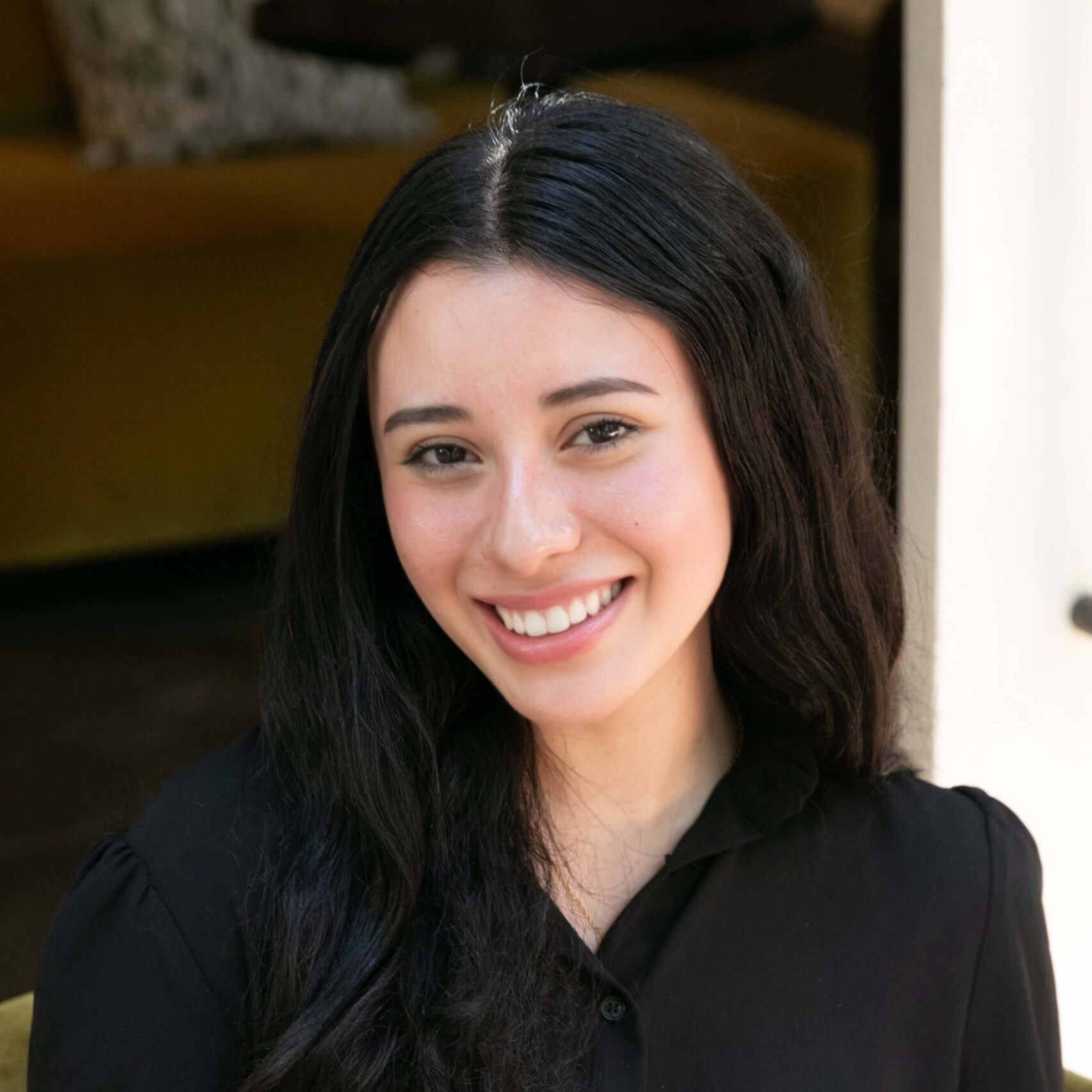
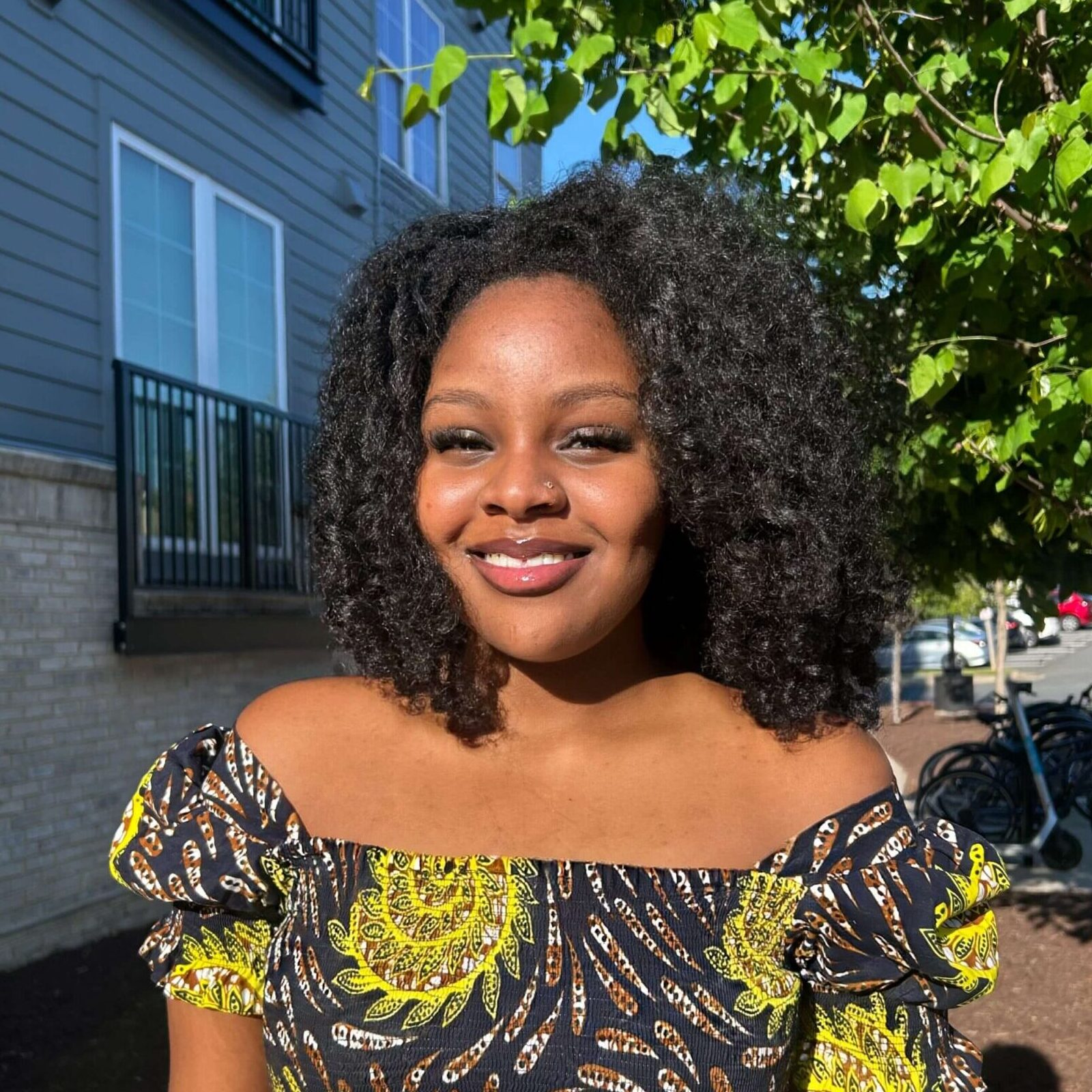
Third Prize
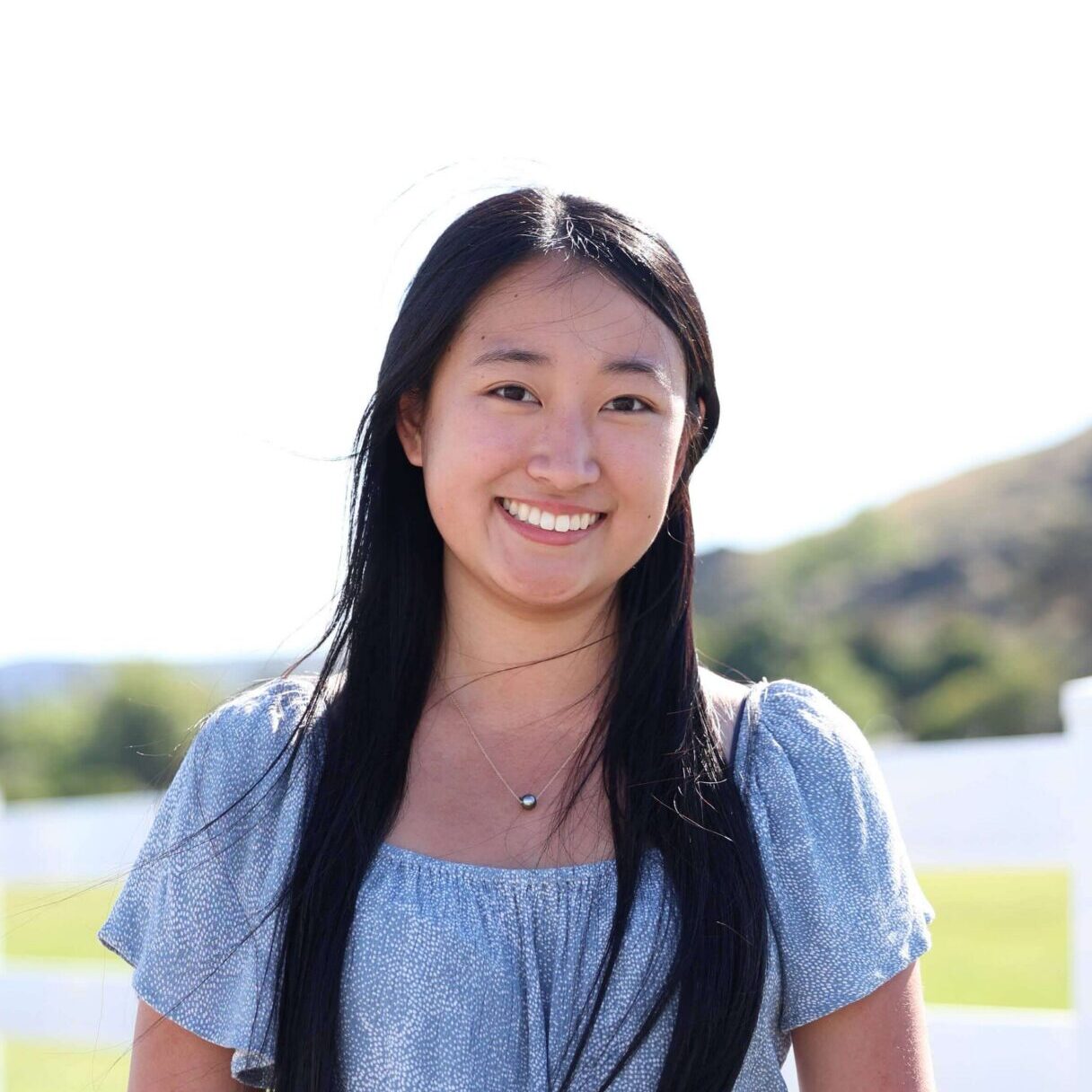
Kaia Fujinaka
California Polytechnic State University
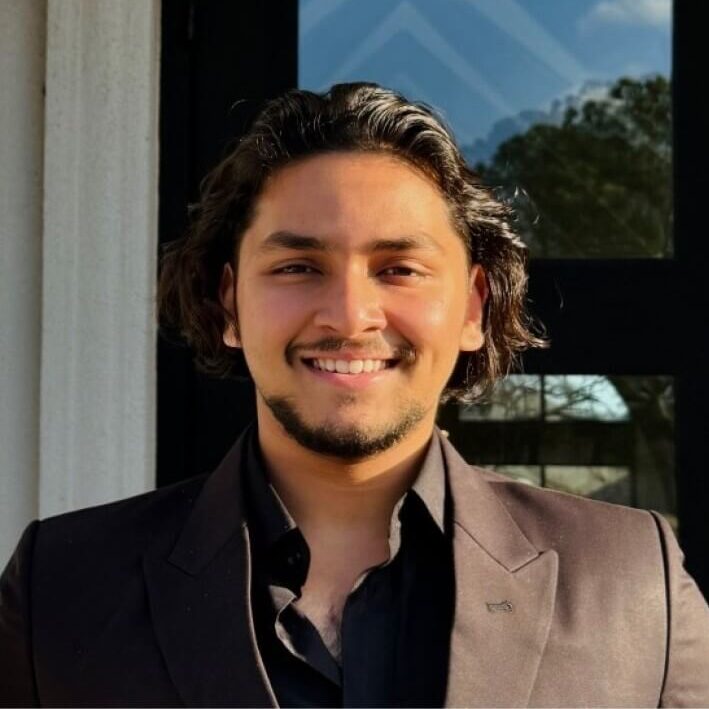
Honorable Mention
Maya Kikov
Macaulay Honors College at CUNY
*Please note that all essays are the property of The Elie Wiesel Foundation and may not be published elsewhere without written permission from the Foundation. All views and opinions expressed in the winning essays are those of the individual writers. The Foundation does not necessarily share the views expressed in the essays.
Past Years' Winners
Click on the contest year to view the winners & their essays for that year.
*Please note that all essays are the property of The Elie Wiesel Foundation and may not be published elsewhere without written permission from the Foundation. All views and opinions expressed in the winning essays are those of the individual writers. The Foundation does not necessarily share the views expressed in the essays.
First Prize
Jack David Carson
We Know Only Men: Reading Emmanuel Levinas On The Rez
Massachusetts Institute of Technology
Second Prize
Kashish Kumar
A Symphony In Silence
Columbia University
Third Prize
Anonymous
Sacred or Sovereign: The Battle Over Life’s Beginning
Honorable Mention
Sierra Bostwick
Haunting
Northern Arizona University
First Prize
Manu Sundaresan
Doing Time
University of Chicago
Second Prize
Danial Alkhoury
Scattered Leaves: Piecing Life Back Together
University of Texas at Austin
Third Prize
Anonymous
The Bridges of Intersectionality and Fallacy: Unveiling Feminism’s Global Paradox
Honorable Mention
Atlas Chambers
Southern (dis)Comfort
Eckerd College
First Prize
Danielle Ranucci
Suffering in their Place
Princeton University
Second Prize
Cutter Canada
Doing the Most Good: A Story About Hope
Trinity University
Third Prize
Drew Cain
The Secret Lives of Private School Students: The Ethics of Secrecy, Truth-Telling, and
Whistleblowing within Social Media
Trinity University
Honorable Mention
Nikkisha Joseph
: A Conveniently Used Word
CUNY Laguardia
Honorable Mention
Faith Seawell-Campbell
Hidden in Plain Sight
Coppin State University
First Prize
Tyler Yager
Navigating the Border Between Hospitality and Justice: Refugee Pushbacks, Search-and-Rescue, and the Ethics of Solidarity
Yale University
Second Prize
Sarah Edelson
Reconnecting Communities Pilot Program: A Moral Responsibility to Right the Wrongs of Harmful Housing Policies and “Urban Renewal” Programs
Amherst College
Third Prize
Amirah Elayan
The Moral Dilemma of Living
William Paterson University
Honorable Mention
Alexander Viviano
The Ethics of Geopolitics – Le Carré’s Timelessness
University of Chicago
Honorable Mention
Eric Evangelista
Denied: Privacy, Dignity, Death
Syracuse University
First Prize
Michael Zhu
A Lonely Farewell
University of Connecticut
Second Prize
Ester Villa Espinoza
The Shoulder of Giants
Grand Canyon University
Third Prize
Nejra Kravic
O Land of Bosnia: Identity, Belonging, and the Nation
Scripps College
Honorable Mention
Tiffany Vaughan
Kidney Markets: Irreconcilable Aims of Medicine and Organ Markets
University of Chicago
Honorable Mention
Hannah Blair
Unseen and Unheard: The Neglect and Re-Victimization of Sexual Violence Survivors in America’s Legal System
Covenant College
First Prize
Alexandra Lang
Any Fraction of Infinity: Aging, Illness, and the Right to Continue
Northwestern University
Second Prize
Christina Ge
Blank Childhoods
Brown University
Third Prize
Aditya Sharma
Of Permits and People
Columbia University
Honorable Mention
Devin Kinsella
Towards Vice or Virtue: An Ethical Inquiry into Suffering
University of Northwestern, St. Paul
First Prize
David Olin
The View from My Window The Ethics of Using Violence to Fight Fascism
The University of California, Berkeley
Second Prize
Isabel de Katona
Global Citizen
Barnard College, Columbia University
Third Prize
Matthew Zipf
Kingdom of the Sick The Ethics of Assisted Suicide
Columbia University
Honorable Mentions
Alex Skopic
This Means War Antisemitism, Fascist Rhetoric, and the Duty of Opposition
Misericordia University
L. Soleil Gaffner
The Delicate Balance of Ethical Journalism A Case Study
Trinity University
First Prize
Megan Phan
Dear Dad: A Long-Overdue Confrontation with Black and Blue
Syracuse University
Second Prize
Sarah Hagerty
In the Absence of Memory
Eckerd College
Third Prize
Jacob Saliba
Why the Night Trilogy Matters
Ohio Dominican University
Honorable Mentions
Areeba Khwaja
Opening Pandora’s Box: Life, Liberty, the Pursuit of Happiness…and, Healthcare?
University of Texas at Austin
Ana Barkley
Lemonade from Lemons: The Ethics of Suffering, Oppression, and Newfound Privilege
Winthrop University
First Prize
Darren Yau
“Truthfulness and Tragedy” Chinese Translation
Wheaton College
Second Prize
Ana Dougherty
University of North Carolina at Chapel Hill
Third Prize
Michael Ivory
Duke University
Honorable Mentions
Ryan Duffy
Boston College
Eleanor Eagan
Middlebury College
First Prize
Micah Latty
Bethel University
Second Prize
Dana Kiel
University of Denver
Third Prize
Luiza Lodder
Pennsylvania State University
Honorable Mentions
Devon Flanagan
Boston University
Eliah Medina
University of Houston- Clear Lake
First Prize
Alexandra Stewart
The University of New Mexico
Second Prize
Andrew Mueller
United States Merchant Marine Academy
Third Prize
Andrew King
University of California Berkeley
Honorable Mentions
Joshua Asaro
United States Merchant Marine Academy
Robert Chan
Colorado State University- Pueblo
First Prize
Christina Whitcomb
Bowdoin College
Second Prize
Jennifer Hu
Swarthmore College
Third Prize
Alejandro Camacho
The University of Texas San Antonio
Honorable Mention
Katelyn Edwards
University of Tampa
First Prize
Gavriel Brown
Yeshiva University
Second Prize
George Kuehnert
University of North Carolina at Chapel Hill
Third Prize
Alyssa Hollingsworth
Berry College
Honorable Mentions
Lucinda Yang
Lee University
Jamie Odom
John Brown University
First Prize
Sarah Ransohoff
University of North Carolina
Second Prize
Victor Hernandez-Jayme
University of Texas at San Antonio
Third Prize
Aimee Griffin
Gettysburg College
Honorable Mentions
Victoria Liu
University of Michigan
Logan Byrd
Brescia University
First Prize
Jonathan Calloway
East Tennessee State University
Second Prize
Ethan Schwartz
University of Chicago
Third Prize
Kanglei Wang
Yale University
Honorable Mentions
Amy Schilit
University of Southern California
Rebekah Berger May
University of New Orleans
First Prize
Joseph Vignone
Fordham University
Second Prize
Raphael Magarik
Yale University
Third Prize
Stephanie Wong
Washington University, St. Louis
Honorable Mentions
Andreana Lefton
American University
Jonathan Stamm
Rollins College
First Prize
Zohar Atkins
Brown University
Second Prize
Alamdar Murtaz
University of Rochester
Third Prize
Alexander Englert
Gettysburg College
Honorable Mentions
Rita Chang
University of Delaware
Daniel Ming
Vassar College
First Prize
Mae Gibson
University of Wisconsin-Superior
Second Prize
Heather Heldman
Yale University
Third Prize
Nikolas Nadeau
St. John’s University (MN)
Honorable Mentions
Elaine Lai
Wesleyan University
Jessica Richman
Stanford University
First Prize
Magogodi Makhene
Neumann College
Second Prize
Kathryn Edwards
University of Texas at Austin
Third Prize
Rebecca Kraus
Boston College
Honorable Mentions
Sophia Paraschos
Carleton College
Lynette Sieger
Westminster College
First Prize
Tracy Ke
Duke University
Second Prize
Amia Srinivasan
Yale University
Third Prize
Tristan Fischl
Western Connecticut State University
Honorable Mentions
Christopher Allison
Olivet Nazarene University
Siri Davenport
University of Louisville
First Prize
Sarah Stillman
Yale University
Second Prize
Christine Henneberg
Pomona College
Third Prize
Catherine Bosley
George Washington University
Honorable Mentions
Logan Plaster
Northwestern University
Katharine Wilkinson
The University of the South
First Prize
Leslie Barnard
Pomona College
Second Prize
Peter Erickson
University of Chicago
Third Prize
Dan Carlin
Washington University
Honorable Mentions
Ayelet Amittay
Brown University
Lauren Smith
University of Texas
First Prize
Aleksandr (Sasha) Senderovich
University of Massachusetts Amherst
Second Prize
Sarah Watkins
Indiana University Southeast
Third Prize
Katherine Bair
Youngstown State University
Honorable Mentions
Alexandra Rahr
Dalhousie University
Brittany Perham
Tufts University
First Prize
Courtney Martin
Barnard College
Second Prize
Yvette Cabrera-Rojas
University of Louisville
Third Prize
Ian Jankelowitz
University of Nevada-Las Vegas
Honorable Mentions
James Adomian
Whittier College
Aaron MacLean
St. John’s College
First Prize
James Long IV
College of William and Mary
Second Prize
Kelly Daley
Mount Saint Mary College
Third Prize
Arielle Parker
Brandeis University
Jennifer Slagter
Trinity Christian College
Honorable Mentions
Kelin Emmett
Michigan State University
First Prize
Alexa Kolbi-Molinas
Smith College
Second Prize
Matthew Mendham
Taylor University
Third Prize
Minh Doan
Berea College
Honorable Mentions
Daniel Brook
Yale University
Brett Gross
University of Minnesota-Twin Cities
First Prize
Sami Halabi
Kansas State University
Second Prize
Jason Costa
Emory University
Third Prize
Angela Leddy
State University of New York-Cortland
Honorable Mentions
Abigail Krauser
Columbia University
Stefan Schulz
Sonoma State University
First Prize
Laura Overland
University of Missouri – Kansas City
Second Prize
Quanganh Richard Tran
University of California – Irvine
Third Prize
Megan Zuercher
College of the Ozarks
Honorable Mentions
Lincoln Hancock
Guilford College
Richard Kemp
University of Maryland – Baltimore County
First Prize
Tamara Duker
Duke University
Second Prize
Bridgett Taylor
Castleton State College
Third Prize
Mark Reeder
University of New Hampshire
Honorable Mentions
Matthew Donohue
Oregon State University
Janet Lin
Amherst College
David Siroky
Boston University
First Prize
Kim Kupperman
University of Maine – Machias
Second Prize
David Greven
Hunter College of the City University of New York
Third Prize
Jeanette Rosenfeld
Barnard College
Honorable Mentions
Virginia Henriksen
Buena Vista University
Chong-Min Hong
Harvard University
First Prize
Andrea Useem
Dartmouth College
Second Prize
Courtney Brkic
College of William and Mary
Third Prize
Nadia Yakoob
University of California – Los Angeles
Honorable Mentions
Monica Eiland
University of North Carolina – Chapel Hill
Marjorie Huang
Tufts University
First Prize
Win Travassos
Harvard University
Second Prize
Robert Westerfelhaus
Ohio Dominican College
Third Prize
Rebecca Shelton
University of Missouri – Kansas City
Honorable Mentions
Julie Cantor
Stanford University
Rachel Maddow
Stanford University
First Prize
Jendi B. Reiter
Harvard University
Second Prize
Aaron Thompson
Otterbein College
Third Prize
Carrie Miller
Claremont McKenna College
Honorable Mentions
Thomas Murphy
University of Iowa
Juan M. Plascencia, Jr.
Harvard University
First Prize
Kimlyn Bender
Jamestown College
Second Prize
Karen Ho
Washington University – St. Louis
Third Prize
Thao Dinh Vo
Dartmouth College
Honorable Mentions
David Eaton
Trinity University
Donna McKereghan
Eastern Washington University
Allison Handler
Williams College
First Prize
Peggy Brophy
Colby-Sawyer College
Second Prize
Meredith L. Kilgore
University of Hawaii – Manoa
Third Prize
Jason Hodin
Wesleyan University
Honorable Mentions
Chris Newman
St. John’s College
Laura Elaine Pogliano
College of St. Francis
Steven Christopher Wrenn
Santa Clara University
First Prize
Amy Rosenzweig
Northwestern University
Second Prize
Steven Allen
Edgewood College
Third Prize
Stephen Fairchild
Claremont McKenna College
Honorable Mentions
Paula Rhode
University of Tampa
Jonathan Springer
Harvard University
Daniel P. Thero
Siena College
An Ethical Compass
In 2010, The Elie Wiesel Foundation published a book of winning essays from the span of the Prize in Ethics Essay Contest. The book includes a preface written by Prof. Wiesel and an introduction by renowned author and New York Times Op-Ed contributor Thomas Friedman.
