

Elie Wiesel and his wife, Marion, established The Elie Wiesel Foundation for Humanity soon after he was awarded the 1986 Nobel Prize for Peace.
For over 30 years, the Foundation’s mission, rooted in the memory of the Holocaust, has been to combat indifference, intolerance and injustice through international dialogue and youth-focused programs that promote acceptance, understanding and equality.
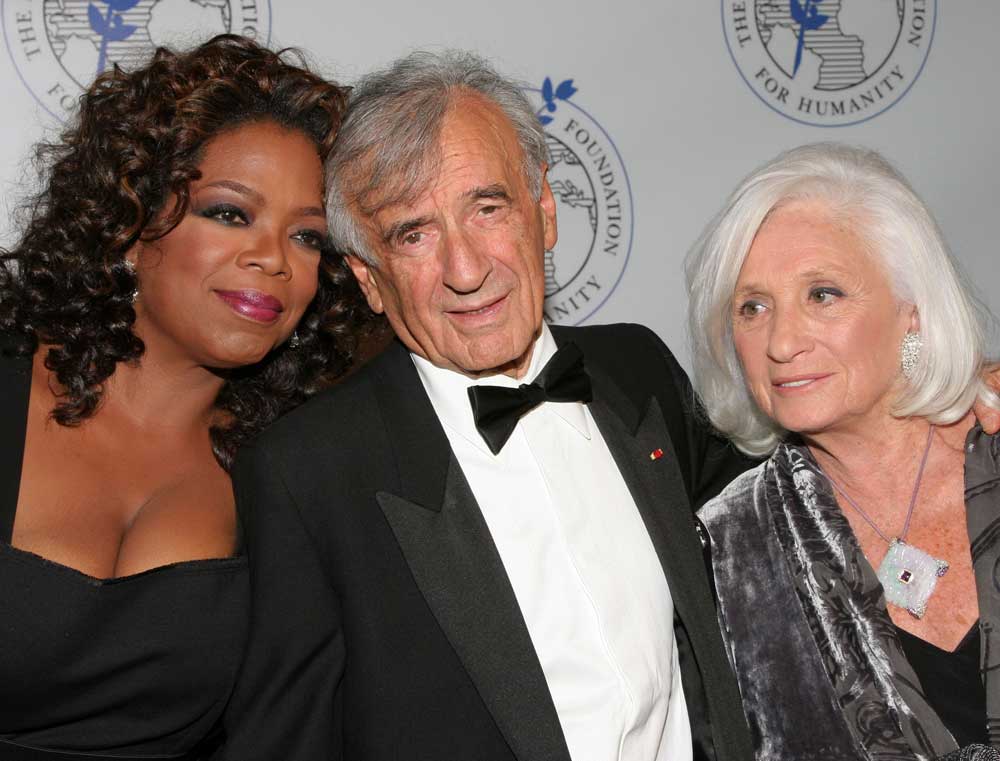

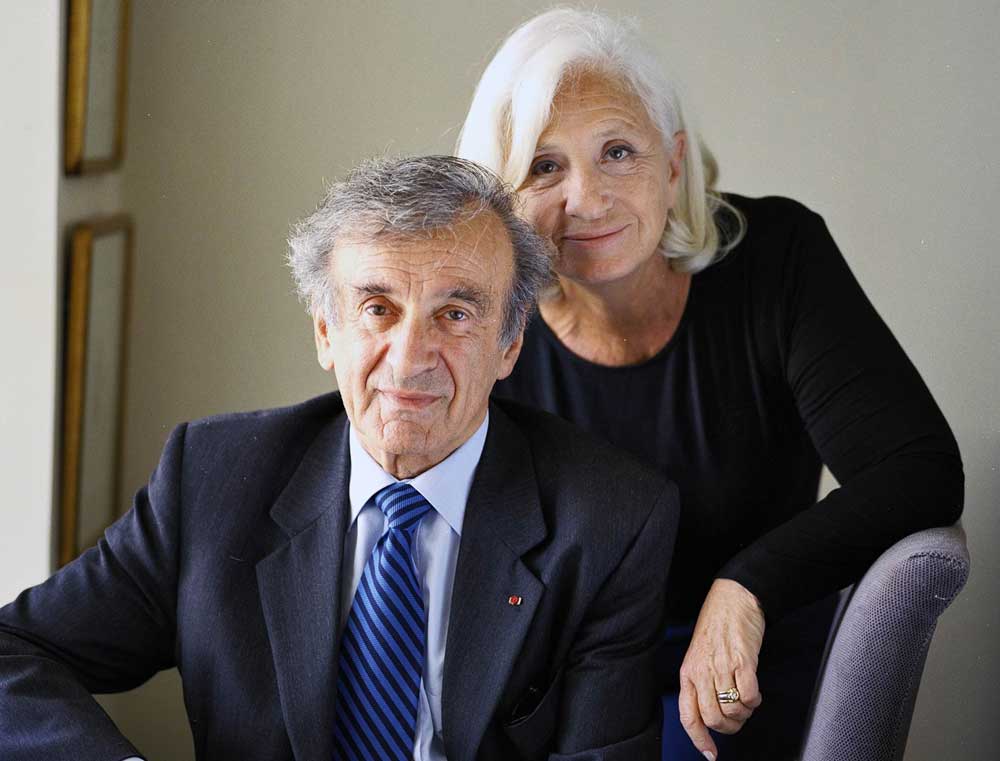
Elie Wiesel used his unique moral voice to gather Nobel Laureates and world leaders to international conferences centered around themes of hope, education, justice, and peace.
These conferences united Nobel Laureates, kings, presidents, and other world leaders from both sides of the table by coming together for a shared cause. Our Petra Conference in 2006 convened an important historical meeting between Palestinian and Israeli leadership together with Professor Wiesel’s friend King Abdullah of Jordan.
The topics discussed at these conferences were never easy, but through these conversations, we were able to cross divides and build a bridge between people who were previously thought to be unreachable. Those connections have gone on to open doors for action, whether at the local, national or international level.
Marion Wiesel decisively acted to prevent the racism she had witnessed as a young American woman in the 1950s from recurring in modern-day Israel as it absorbed thousands of Ethiopian-Jewish refugees in the 1980s and 1990s.
The Foundation founded two Beit Tzipora Centers for Study and Enrichment in Israel with an aim to carve a path for Ethiopian-Israeli students to participate fully in Israeli society. Close to one thousand boys and girls are currently enrolled in after-school programs that serve as a model for other schools. We now lend our support and appreciation to our friends at Women’s International Zionist Organization (WIZO) who took on operating responsibility for the Centers in 2017 so that they may continue to grow and thrive.
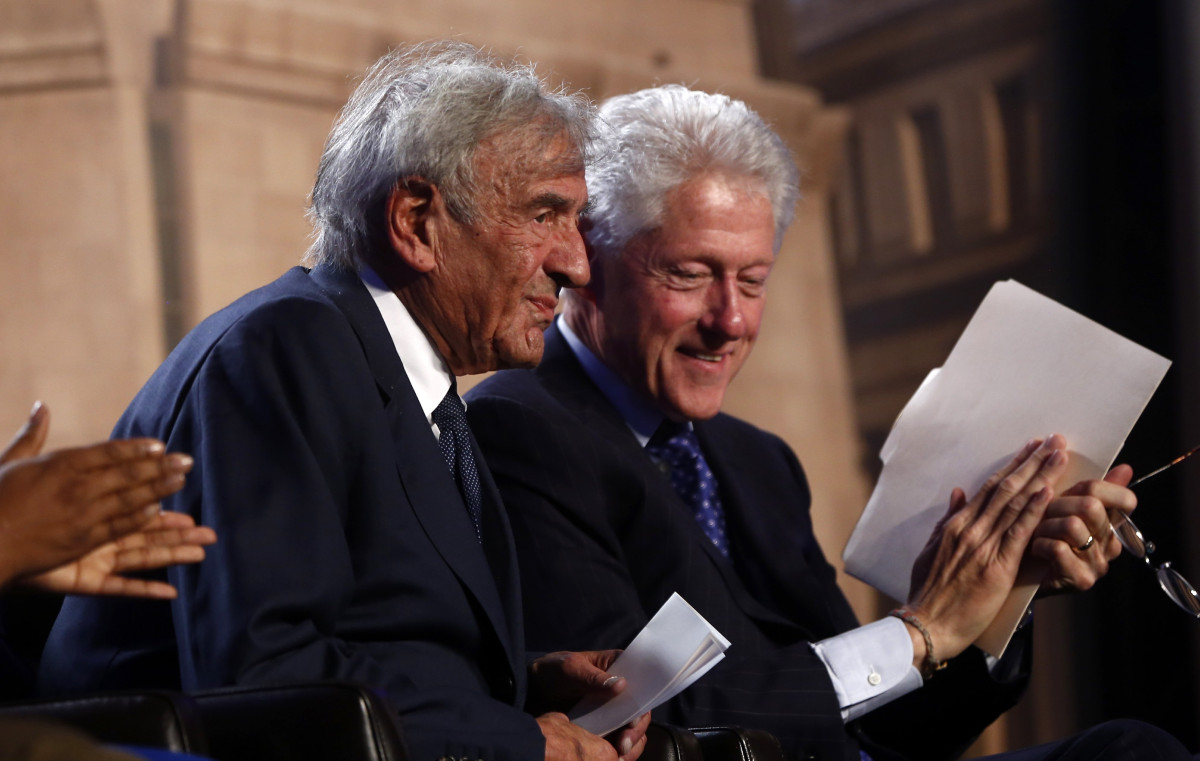
Elie Wiesel with past award recipient Magogodi oa Mphela Mahkene at the 2007 Prize in Ethics Awards Ceremony.
Elie and Marion Wiesel found hope for future generations in reading the carefully explored and thoughtful essays of the many students who applied for The Elie Wiesel Prize in Ethics Essay Contest, now in its 33rd year.
The contest invites college juniors and seniors to establish themselves as tomorrow’s class of ethical leaders by exploring challenging ethical situations through their writing. With an alumni network of published authors, teachers, humanitarians, and other professionals, the Prize continues its tradition of inspiring young people to be witnesses and voices for the voiceless. We are proud that this scholarship contest has touched thousands of young minds and continues to encourage them to evaluate their moral compass.
In 2022, the Foundation moves forward on a new journey as grant-makers by launching The Elie Wiesel Foundation Grant Program.
Each grant given will support organizations doing the work in keeping with Professor Elie Wiesel’s life and legacy. We look forward to making an impact with our continued and future partnerships through this new focus.
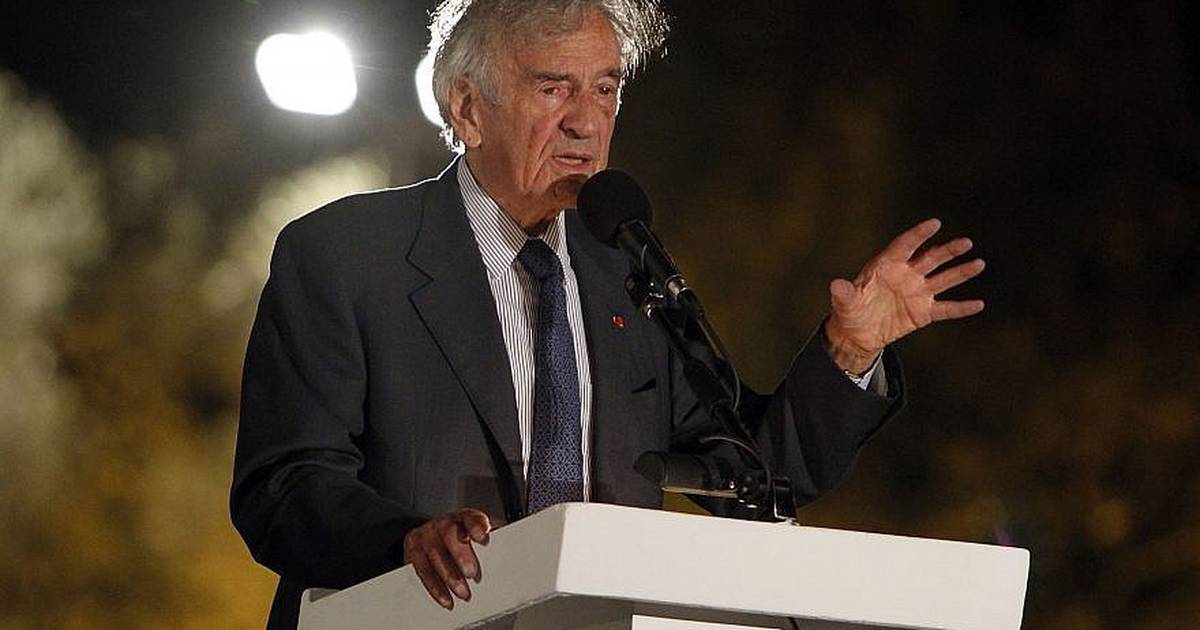
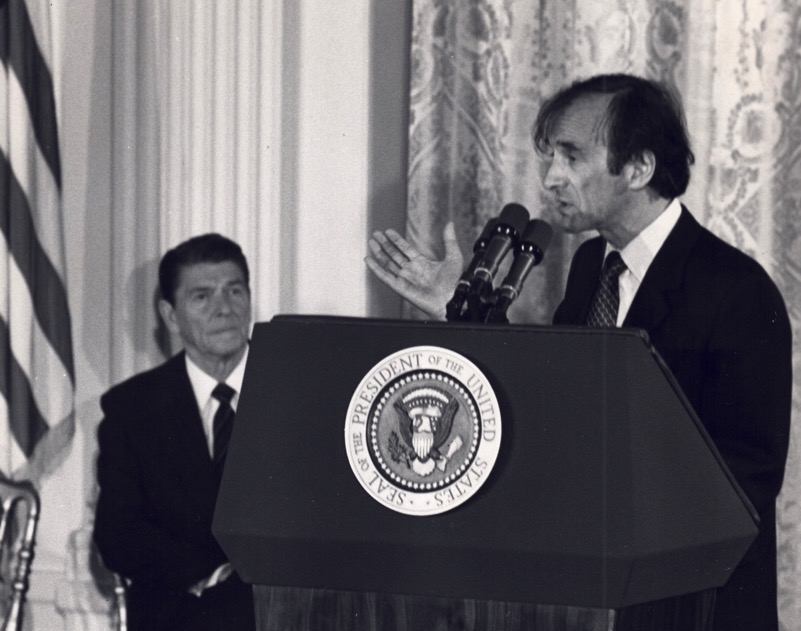
Financial Reports
Our Team
Board of Directors
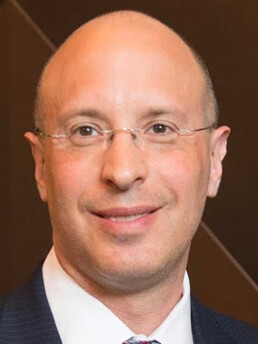
Elisha Wiesel
Chairman of the Board
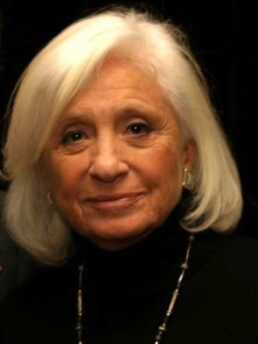
Marion Wiesel
Founder and Vice-President Emeritus
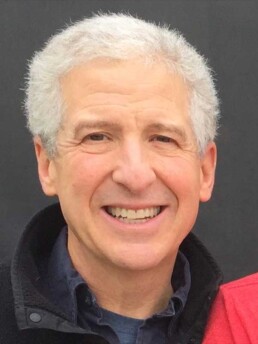
Marc Winkelman
Board Member
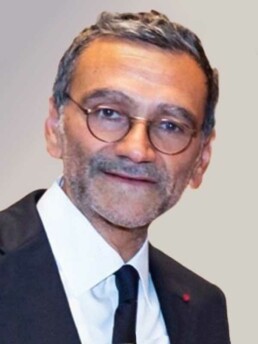
Bruno Cohen
Board Member